
Dynamic Air Suspension Explained: What It Does for the 2026 Range Rover Sport
August 31 2026,
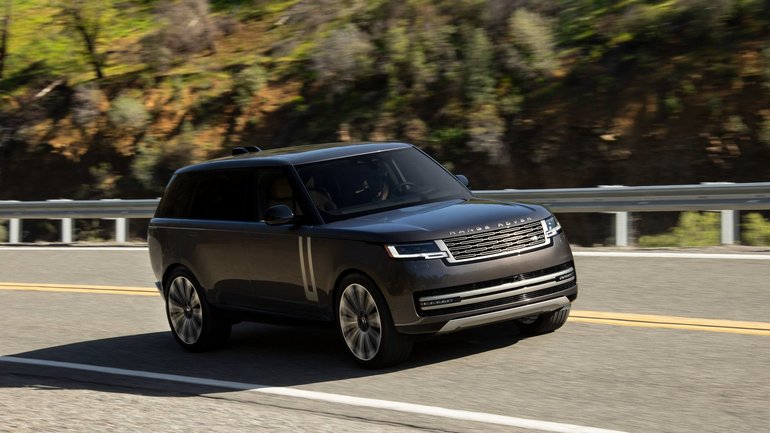
A stretch of smooth highway, a climb on a winding two-lane road, a gravel approach to a trailhead, then a rough side street back in town. Many Canadian drivers cover that whole range of surfaces in a single weekend, and each one asks something different of a vehicle’s suspension. The 2026 Range Rover Sport is built with that reality in mind.
Land Rover calls the system Dynamic Air Suspension, and it comes standard on every 2026 Range Rover Sport. It is one of the quieter reasons the SUV feels composed when pavement turns to gravel or a familiar road turns slick. Here is how it works, in plain language, and why it matters on mixed roads.
What Adaptive Air Suspension Actually Is
Adaptive air suspension replaces conventional steel coil springs with air springs at each corner, paired with dampers that adjust their firmness as road conditions change. Instead of one fixed ride height and one fixed level of stiffness, the system adjusts both while you drive.
The Range Rover Sport takes this a step further with switchable-volume air springs. Each spring can change its internal air volume, which changes how soft or firm it feels. Lower pressure gives the relaxed ride expected of a Range Rover; higher pressure firms things up for sharper body control. The result is a suspension with a wider range of behaviour than a single fixed setup can offer.
How Dynamic Air Suspension Works
Sensors monitor the road surface, body movement, steering, braking and throttle inputs. A control system called Adaptive Dynamics reads more than 100 of these parameters up to 500 times per second and adjusts damping at each wheel to limit body roll in corners and pitch under hard braking.
The system also looks ahead. Using eHorizon navigation data, the suspension prepares for an upcoming bend or change in road type before the vehicle reaches it, rather than reacting only once the wheels hit it.
Here is what the system manages on its own:
- Damping firmness at each corner, adjusted up to 500 times per second
- Body roll in corners and pitch under braking
- Ride height, raised for rough or loose ground when the terrain calls for it
- Access height, lowered automatically for easier entry and exit
Terrain Response 2 and the Surface Beneath You
Terrain Response 2 works together with the suspension. It offers seven terrain modes covering surfaces from wet grass and gravel to snow, mud, sand and rock. Each mode adjusts the engine, transmission, differentials and chassis, including ride height and damping, to suit that surface.
Drivers who prefer to leave the decision to the vehicle can select Auto mode. Terrain Response 2 detects the surface it is on and selects the appropriate settings itself.
Available Configurable Terrain Response goes the other way. It lets the driver tailor individual settings, from suspension firmness to steering weight, to match the road in front of them.
On badly rutted ground, the air suspension can raise the body a further 135 mm for up to 15 seconds when it detects wheel slip, helping the vehicle keep moving. That same lifting ability supports the Range Rover Sport’s 900 mm wading depth.
Why It Matters on Mixed Roads

Drivers deal with a wider range of surfaces in a normal week than many shoppers expect: city streets, highway stretches, rural roads, gravel approaches to trailheads or cottages, and routes where elevation and weather shift quickly. Each of those asks something different of a suspension.
A daily commute calls for a relaxed, quiet ride. A weekend drive into the hills asks for tighter body control and less harshness over uneven ground. Dynamic Air Suspension moves between those two demands on its own, so the driver does not have to compensate with a lighter foot or a slower pace.
The same logic applies year-round. Frost heaves in spring, loose gravel in summer, wet leaves in fall and packed snow in winter all change how an SUV feels. A suspension that adjusts on its own means fewer surprises when the road changes mid-drive.
Adaptive air suspension manages ride quality and body control. Tires, traction systems and driver judgment still handle grip. The Range Rover Sport pairs the suspension with standard all-wheel drive and Hill Descent Control, plus available Adaptive Off-Road Cruise Control, which holds a steady pace over rough ground so the driver can concentrate on steering.
Who Gets the Most Out of This Feature
This technology is most relevant to drivers who move across different types of roads regularly, rather than sticking to one predictable commute. If your week includes city traffic, a highway stretch and the occasional rural or gravel road, a suspension that adapts on its own does real work.
It also matters to buyers who want comfort and composure from a single vehicle instead of choosing between a soft cruiser and a stiffer, sportier setup. The 2026 Range Rover Sport is aimed at drivers who want both without switching vehicles depending on the drive ahead.
For shoppers weighing premium SUVs, everyday refinement paired with a settled feel on rougher or unpredictable surfaces is often the deciding factor between a vehicle that looks capable and one that feels composed when the road changes underneath it.
At a Glance: Dynamic Air Suspension on the 2026 Range Rover Sport
|
Feature |
What it does |
|
Switchable-volume air springs |
Change firmness by adjusting air pressure at each corner |
|
Adaptive Dynamics |
Reads more than 100 parameters up to 500 times per second to control roll and pitch |
|
eHorizon navigation data |
Prepares the suspension for the road ahead |
|
Terrain Response 2 |
Seven terrain modes plus an Auto mode that picks settings for you |
|
Automatic Access Height |
Lowers the body for easier entry and exit |
|
Extra lift |
Up to 135 mm more height for 15 seconds when wheel slip is detected |
Experience the 2026 Range Rover Sport in Person
Adaptive air suspension is easier to feel than to describe. It shows up as a quieter ride over rough pavement, a settled feel through corners, and fewer surprises when the road surface changes without warning.
Visit Land Rover Victoria in Victoria to talk through your regular routes and book a test drive in the 2026 Range Rover Sport. A short drive over a few different surfaces is the clearest way to see how the system fits your everyday driving.